Keep your garden thriving with these tips on how to prevent and treat root rot.
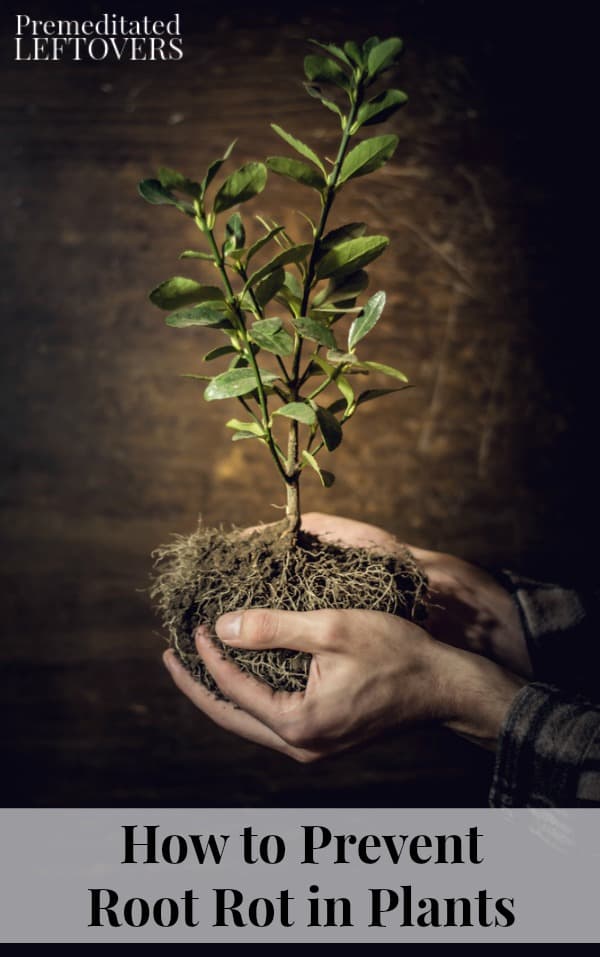
One day your plant can be perfectly healthy and thriving, and the next day you may notice it looks withered and weak. Root rot is quite common in plants, and once it hits it can take your plant down quickly. The good news is root rot can be avoided, and even once it hits there are steps you can take to fight it off. Look below at some helpful tips on how to prevent and treat root rot in plants, so you can continue to grow plants that bloom and thrive!
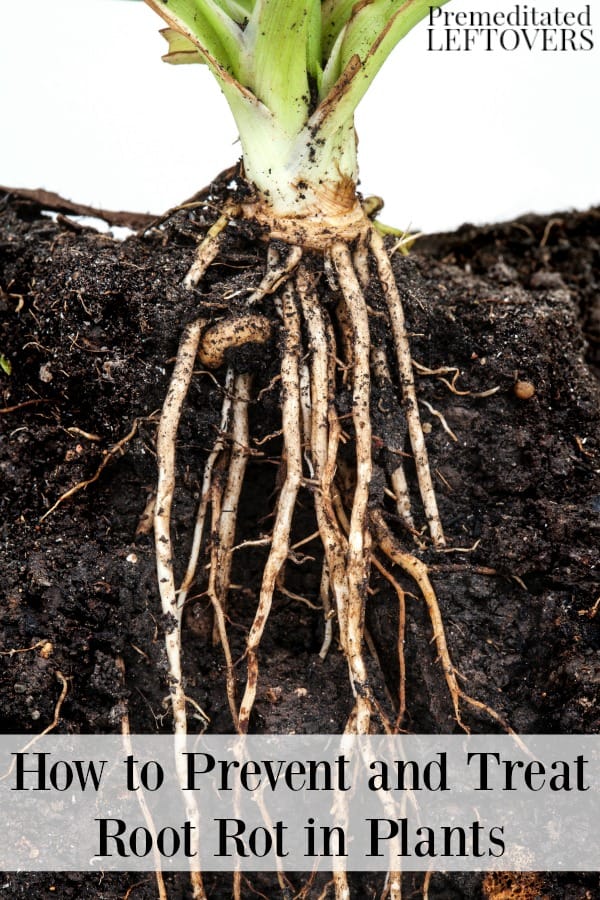
What does root rot look like?
How to Prevent and Treat Root Rot in Plants
How to Prevent Root Rot
1. Use quality soil.
Buy quality potting soil from a well-known brand. Fresh and quality potting soil is important because you want to avoid fungus that could be lurking in the dirt. If any fungus is present, it could attack the roots and quickly kill the plant.
2. Use a pot that drains well.
Your flower pot should have ample draining in the bottom, so that water can pass through and not accumulate. When water puddles in the pot and creates muddy soil, the roots can experience rot. You never want the roots to be in standing water, but to instead keep the soil just moist.
3. Use clean pots.
This is a part of the growing process many people don’t consider yet should. Germs and fungus in pots and planters can attack your roots quickly. Using old pots from the previous growing season is alright, you just want to be sure you clean them first. Use a hot water and bleach solution to scrub your pots well before adding any new plants.
4. Give roots plenty of room.
Don’t overfill your planters and pots. Be sure you are giving each plant enough room to grow and spread. Remember that plants like to stretch their legs (their roots!) so using loose soil where they can grow without hitting another plant or the sides of the planter is important.
How to Treat Root Rot
Should your plants become the victim of root rot, there are steps you can take to help ensure survival. Here is what you should do if root rot sets in:
1. Remove the plant from the pot. Gently shake the roots clean.
2. Run the roots under water, removing as much of the soil and rot as you can.
3. Use scissors to cut away any dead and rotting roots.
4. Remove all soil from the pot. Wash out the pot with hot water and bleach. If you aren’t using a prop with proper drainage, now is the time to find one that will offer the drainage your plant needs.
5. Replace the soil with clean soil, and re-pot your plant. Avoid overwatering.
Now, keep an eye on your plant over the next week. Take care to only add water as needed, and keep the plant in a well-lit area.
Avoiding root rot is easy, and by following these tips you can be assured that your plants will grow happy and healthy! Give these tips for preventing root rot in plants a try, and see if they don’t help you have a more successful growing season!
More Gardening Tips:
How to Prep Soil for a Vegetable Garden
Tips for Fertilizing Your Vegetable Garden
7 Ways to Stop Weeds in Your Garden
Vegetable Container Gardening Tips

Leave a Reply