Jennifer Riner of Zillow is sharing 5 Steps to a DIY Private Greenhouse.
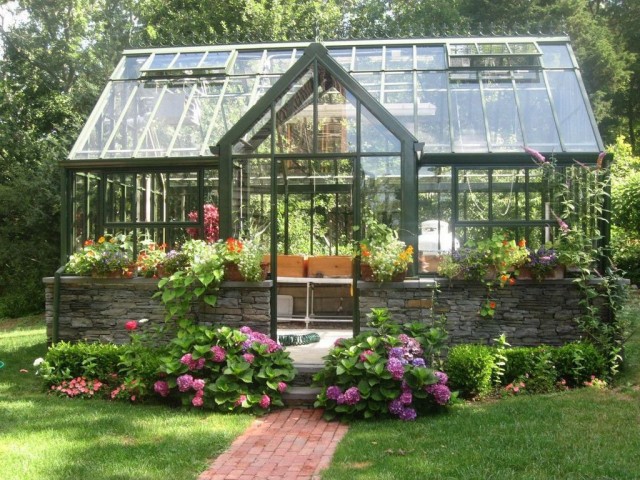
Photo Credit: Zillow Digs
Greenhouses enable gardeners to seed and harvest without seasonal limitations. Avid planters can better control climate, reduce pest infestations and regulate irrigation when using enclosed environments to grow flowers and vegetation. At-home conservatories increase convenience for homeowners while producing healthier, happier plants.
Extend the marginal growing season and evade weather and animal-related issues associated with traditional outdoor gardening. Use the following steps to create a do-it-yourself (DIY) greenhouse for an ideal floral oasis.
5 Steps to a DIY Private Greenhouse
1. Choose a Location
First, choose an area of the yard that receives ample sunlight. Most often, the best sun exposure is found on southern or western property borders. Avoid placing greenhouses near trees that completely block the sun throughout the daytime, as gardens require light to thrive. At the same time, gardens can get overheated and dry up. Individuals moving to homes in Florida and other humid regions should look for at least some foliage to provide their gardens intermittent protection from the hot, southern sun. Plants will receive more steady exposure after leaves disperse in the wintertime, when sun rays are at their weakest.
2. Plan a Layout
Amateur gardeners might be surprised to discover the complications associated with small-scale greenhouses. Compact buildings feature intense temperature shifts, which can make climate control challenging. On the contrary, large greenhouses require heavy-duty equipment to cool and heat. Plus, homeowners invest more initially with additional materials and powerful gear for large sanctuaries. Depending on anticipated garden size, most green thumbs recommend DIY greenhouses be at least 6 feet wide by 12 feet long.
Aside from square footage, gardeners should consider table placement. Traditional greenhouses feature three long benches running parallel to each other with aisles in between for accessibility. Caster wheels can be beneficial for gardeners who like to switch up their plants’ locations based on the sun, or change their minds often about space arrangements. Regardless, opt for waterproof materials such as laminate countertops, plastic shelves and fiberglass storage units.
3. Select Structural Materials
Framing
Most greenhouses are framed in wood or metal. Wood requires pressure treatment since greenhouses capture moisture that can lead to rotting. Metals like galvanized steel and aluminum are lighter and don’t rust over time. PVC piping is great for temporary greenhouse solutions, but can only be used in greenhouses in mild climates lacking high winds.
Flooring
Consider gravel, dirt or tiled concrete to build floors for DIY conservatories. Gravel allows ample drainage, but lacks structural quality. Depending on budget, floors should be practical and comparable to other building supplies. Therefore, avoid splurging on expensive flooring if the siding and framing aren’t equivalent in quality.
4. Choose Windows
The most popular window type for greenhouses is tempered glass, but adding glass requires strong wood frames for support. Consider plastic sheeting for frames made of PVC piping or aluminum. Unlike Plexiglas, single or double-walled polycarbonate sheeting doesn’t tarnish or break over time. Double-layered sheets of polycarbonate offer increased insulation to homeowners in colder climates.
5. Create the Proper Environment
Purchase electric, gas or propane generators to keep greenhouses warm enough to yield various crops all year round. Otherwise, only certain cold-weather plants can mature, such as lettuce and broccoli. Too much heat, on the other hand, hinders plant life. Therefore, consider roof vents and exhaust fans for adequate aeration in the summertime. If humidity is a burdening issue on gardens, consider full-fledge air conditioning units. Although expensive, air conditioners allow plants to grow in the most optimal environments. Drip irrigation systems help vacationers or individuals who simply don’t have time to water – however, hiring help to water plants is always a viable option.
The plans and specifics for functional greenhouses depend mostly on lifestyle and location. Take availability into consideration when determining how self-sufficient the sanctuary should be, and use the appropriate materials based on local weather.
Thanks to Jennifer Riner of Zillow for sharing her tips for planning a greenhouse with us.

Marion says
Bravo cette serre est magnifique !