Endive is a great leafy green to grow in the garden, and this guide on how to grow endive will help you with everything from starting seeds to harvesting greens.
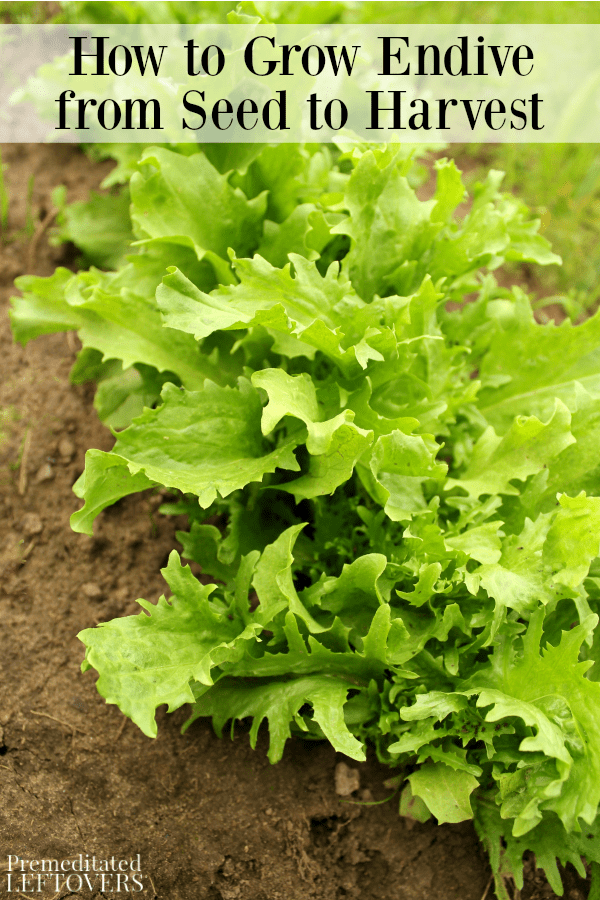
If you like lettuce and other plants in the leafy greens category, endive is for you! Endive lettuce is easy to grow, produces a lot of greens, and is quite healthy for you as it is loaded with vitamins and minerals. If you are curious about growing endive, look below at some helpful tips on growing endive with success. You will find that it is a plant worth carving out some gardening space for!
How to Grow Endive
How to Grow Endive from Seed
If you have a short growing season, you may wish to plant your endive indoors. You can do so about 6 weeks prior to the last frost of the season. Start endive seeds in a nutrient-rich peat tray with good drainage, planting the seeds about ¼ of an inch deep. Keep the soil damp and in a sunny space that gets at least 6 hours of sun per day. You can place several seeds per peat pot, spacing your seeds a few inches apart to start. You will notice sprouting quickly, which is then a sign that you can start thinning out the plants.
How to Transplant Endive Seedlings
Whether you are now ready to transplant the seedlings you started indoors or bought seedlings from your local gardening center, your endive seedlings can be planted outdoors once the threat of frost has passed. If you are planting for a fall crop, you can plant your seedlings 6-8 weeks before the final frost of the season.
When you are ready to transplant your endive seedlings outdoors, you can dig a trench that is twice the depth of the root ball. Always use loose soil, since endive roots tend to be shallow and will need to spread through the top layers of the soil easily.
Seedlings should be spaced 12 inches apart, as endive needs space to grow. They prefer moist soil, not soggy, and enjoy cooler temps. If you live in an area that gets warmer than 75 degrees, you may wish to plant in an area with part shade. This will keep the plants from sprouting “bolts” and turning bitter.
How to Care for Endive Seedlings
Once your endive seedlings are off and growing, there are certain steps you can take to ensure their success. Use a hearty amount of mulch around the base to help keep the shallow roots cool and moist. You can also try using crushed leaves or newspaper if you wish. Endive likes to be cool and watered regularly.
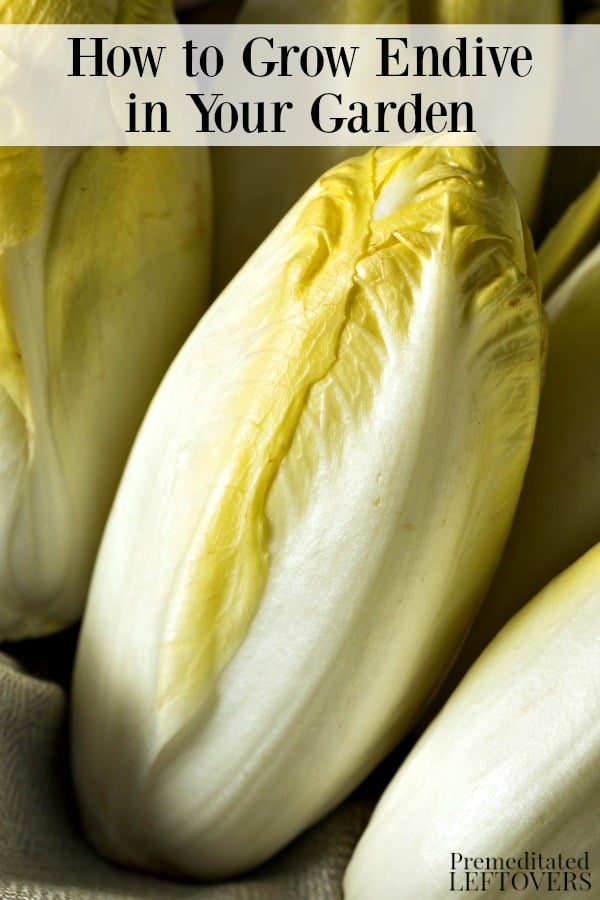
You can “blanche” your endive in order to keep the flavor mild. Some gardeners like to do this by covering the plant with a flower pot. This can be done one week before harvest. Planting the endive heads close together may also encourage self-blanching.
How to Grow Endive in Containers
If you wish to grow endive in containers, it is completely possible. This is ideal if you need to move the plant to find shade or you have limited space. It is advised you grow one head of endive per 12-18 inch pot. The depth of the pot should be at least 12-18 inches. You should still use nutrient-rich soil that drains well and keep the soil moist throughout the growing process. Should temperatures rise above 75 degrees, you should move the pot to shade.
How to Harvest Endive
Your endive will be ready to harvest in about 90 days. The leaves will be rich and green. Do not delay harvesting, as the leaves can become bitter and tough. To harvest, remove the leaves from the base of the plant. You can simply use gardening shears or just pluck cleanly. Keep leaves clean and dry after harvesting to avoid rot.
Endive doesn’t store well, so it should be used once harvested. It can be used in a variety of salads, soups, and stews. Simply rinse the endive leaves well and prepare as you would cabbage, collard greens, or other leafy greens.
Endive is a healthy leafy green to grow in the summer and fall months. Try these tips for growing endive and see how they can help you enjoy a successful crop.
More Gardening Guides:

Leave a Reply